
Meta Whats App Update: New Features, Ai Expansion, And Security Challenges
Social Media
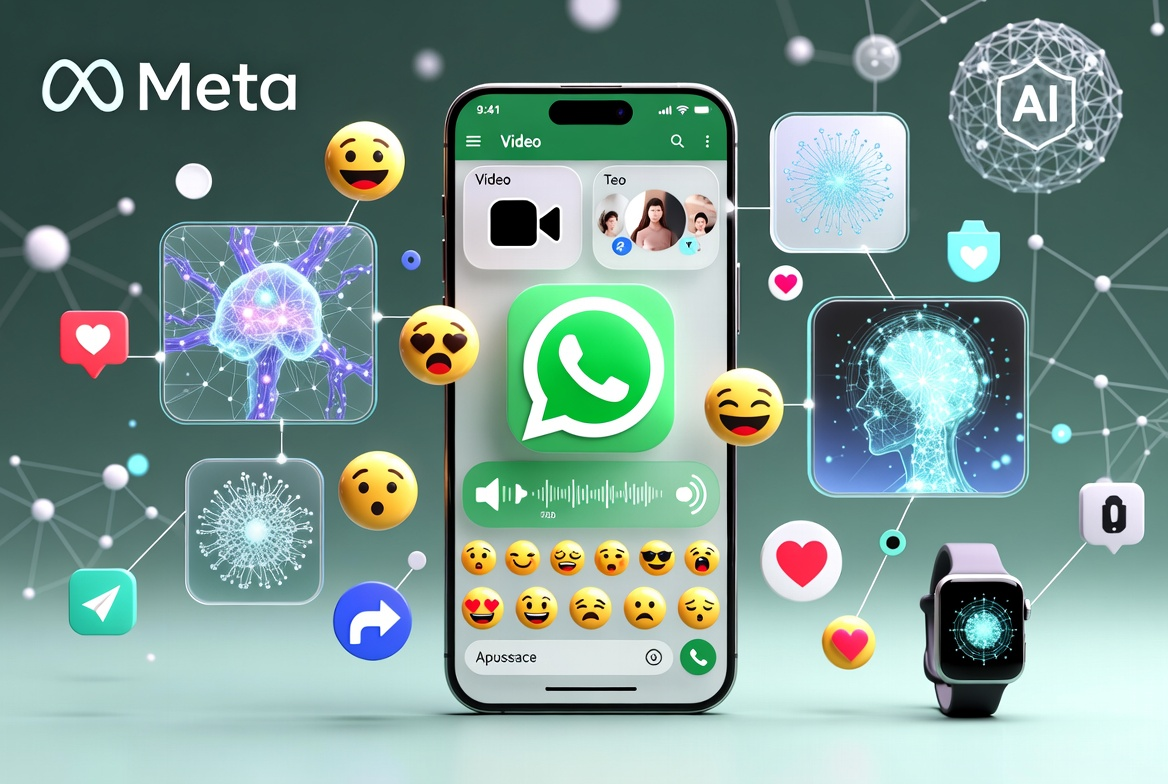
Meta’s WhatsApp is rapidly evolving beyond basic instant messaging, rolling out a major update that redefines how users communicate while significantly expanding its artificial intelligence capabilities. The latest WhatsApp features introduce multimedia voicemail, richer group interactions, and advanced AI tools, all as the platform confronts growing security and privacy concerns.
From Missed Calls to Multimedia Voicemail
WhatsApp is modernizing the traditional missed call experience with a new video and voice message feature. When a call goes unanswered, users can instantly record a short video or audio message directly from the call screen. This seamless experience removes the need to open the camera or microphone separately, effectively turning WhatsApp into a next-generation voicemail platform.
By replacing outdated voicemail systems with fast, multimedia messaging, WhatsApp strengthens its position as a more intuitive and dynamic calling app—one designed for real-time, expressive communication.
Smarter Group Chats and AI-Powered Creativity
The update also enhances live voice chats with emoji reactions. Participants can now send reactions that are automatically routed to the active speaker, enabling quick, non-verbal feedback during group audio conversations. This feature makes group calls more interactive without interrupting the flow of discussion.
At the same time, Meta is expanding WhatsApp’s AI image-generation tools. Through new partnerships, models from Midjourney and Flux have been integrated into WhatsApp’s AI ecosystem. This development follows WhatsApp’s recent decision to block general-purpose AI chatbots, such as Microsoft Copilot, signaling a strategic shift toward curated, task-specific AI features within the app.
Expanding Across Devices and Platforms
WhatsApp is also broadening its reach beyond smartphones. Reversing its earlier resistance to third-party app stores, the platform is increasing accessibility across devices. A long-anticipated dedicated Apple Watch app has officially launched, marking a significant milestone in WhatsApp’s hardware expansion.
Meta has confirmed plans to build “dedicated experiences” for additional devices, reinforcing its commitment to making WhatsApp available wherever users communicate.
WhatsApp’s Superapp Ambition
After more than a decade under Meta’s ownership, WhatsApp may be entering a new phase. The platform is increasingly positioned as a communication superapp—one that goes far beyond personal messaging.
With more than three billion monthly active users, WhatsApp now surpasses Meta’s other messaging platforms in scale. Its business and commerce tools are already widely adopted in regions such as India and Southeast Asia, where WhatsApp is used for customer service, login authentication, payments, and shopping. Meta’s long-term vision appears focused on unifying messaging, business communication, government services, and commerce into a single, powerful ecosystem.
Security and Privacy Risks Cast a Shadow
Despite its rapid growth and innovation, WhatsApp’s expansion faces serious security challenges. Recent academic research from Austria identified a vulnerability in WhatsApp’s contact discovery system that could have exposed billions of phone numbers.
These concerns are compounded by a lawsuit filed by a former WhatsApp executive, alleging that Meta ignored critical security flaws for years. According to the claims, these weaknesses left users vulnerable to widespread account takeovers, phishing attacks, and data abuse. The aftermath of major data breaches, including the AT&T incident, highlights the ongoing risks associated with phone number–based authentication—the core identifier for WhatsApp accounts.
As WhatsApp continues to add new features and pursue its superapp strategy, how Meta addresses these security and privacy issues may ultimately determine the platform’s long-term trust and growth.