

Spotify Unveils Promoted Playlists, Giving Users Unmatched Control Over Music Recommendations
Social Media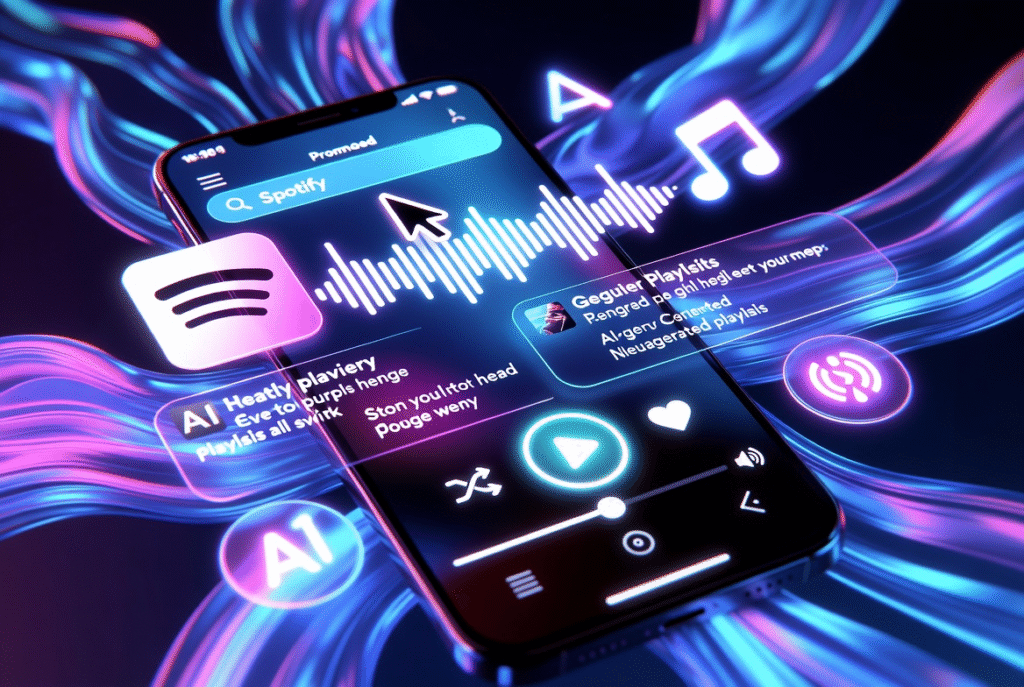
In a major leap toward personalized listening, Spotify has launched Promoted Playlists, a groundbreaking feature that allows users to directly influence the platform’s core recommendation algorithm through detailed, custom-written prompts. Currently in beta and rolling out first to Premium subscribers in New Zealand, this tool marks the first time listeners can actively steer Spotify’s algorithm with such precision.
Unlike traditional playlists, Promoted Playlists evaluate the user’s entire listening history—from the first song ever played to today’s habits—to generate tailored mixes. Building on last year’s AI playlist capability, this next-gen system can process complex, multi-sentence requests using enhanced “world knowledge.”
How Spotify’s Promoted Playlists Work
Listeners can now craft highly specific prompts to curate their ideal playlist. Key features include:
- Deep Listening History Insights: Ask for “songs from my top artists over the past five years with deep cuts I haven’t heard yet.”
- Mood & Activity-Based Curation: Request “high-energy pop and hip-hop for a 30-minute 5K run, transitioning into relaxing tracks for cool-down.”
- Cultural Relevance: Get recommendations like “music from this year’s biggest movies and trending TV shows that match my tastes.”
Users can refine their playlists continuously and even schedule daily or weekly automatic refreshes, effectively creating their own personalized version of Discover Weekly or Daily Mix based on any genre, mood, or theme.
A Growing Movement: Greater User Control Over Social Algorithms
Spotify’s update arrives as part of a broader trend toward algorithm transparency and user customization. On the same day:
- Instagram launched “Your Algorithm,” allowing users to see and adjust the topics that shape their Reels feed.
- Bluesky, the decentralized social platform, continued to support fully customizable algorithms.
This movement signals a shift across social and media platforms—users now expect more control over how content is delivered to them.
Spotify Expands Music Videos to the U.S., Canada, and More Markets
Spotify is also expanding its Music Videos feature to the United States, Canada, and 11 additional regions. Available to Premium subscribers on iOS, Android, desktop, and TV apps, this feature strengthens Spotify’s position as a direct competitor to YouTube.
Listeners can tap “Switch to Video” while playing a song to view full-screen music videos instead of the default canvas visuals. By month’s end, users will also see dedicated video playlists such as ‘90s Video Hits and Hip-Hop Throwbacks, along with personalized video suggestions on their home screen.
This expansion follows major licensing agreements with leading labels and publishers, including Universal, Sony, Warner Music Group, and the NMPA. Any video stream lasting 30 seconds or longer will generate royalties for rights holders.
Instagram Introduces “Your Algorithm” for Reels, Boosting Transparency and Personal Control
Instagram has officially rolled out Your Algorithm, a new feature that lets users view and manage the AI-influenced topics shaping their Reels feed. Accessible via an icon in the Reels player, it provides a personalized summary—e.g., “You’ve been into creativity, sports hype, and fitness motivation.”
Users can:
- Tell Instagram to show more or less of specific topics
- Add new interests not already listed
- Share their algorithm summary directly to Stories
This system is similar to TikTok’s Manage Topics tool, but Instagram offers a more customized, user-specific baseline. The platform plans to expand Your Algorithm to Explore and other sections soon.
ChatGPT Takes #1 Spot as the Most Downloaded Free iPhone App in the U.S. for 2025
Apple’s latest annual ranking confirms a major shift in user behavior: ChatGPT is the #1 most downloaded free iPhone app in the United States for 2025, surpassing last year’s leader Temu and beating other giants like TikTok, Threads, Instagram, and Google Maps.
This milestone underscores a dramatic trend—AI apps are becoming daily essentials for millions of users, and ChatGPT’s rise could signal growing disruption to traditional mobile search dominated by Google. In March 2025, ChatGPT also became the most-downloaded app worldwide, reinforcing its global influence.